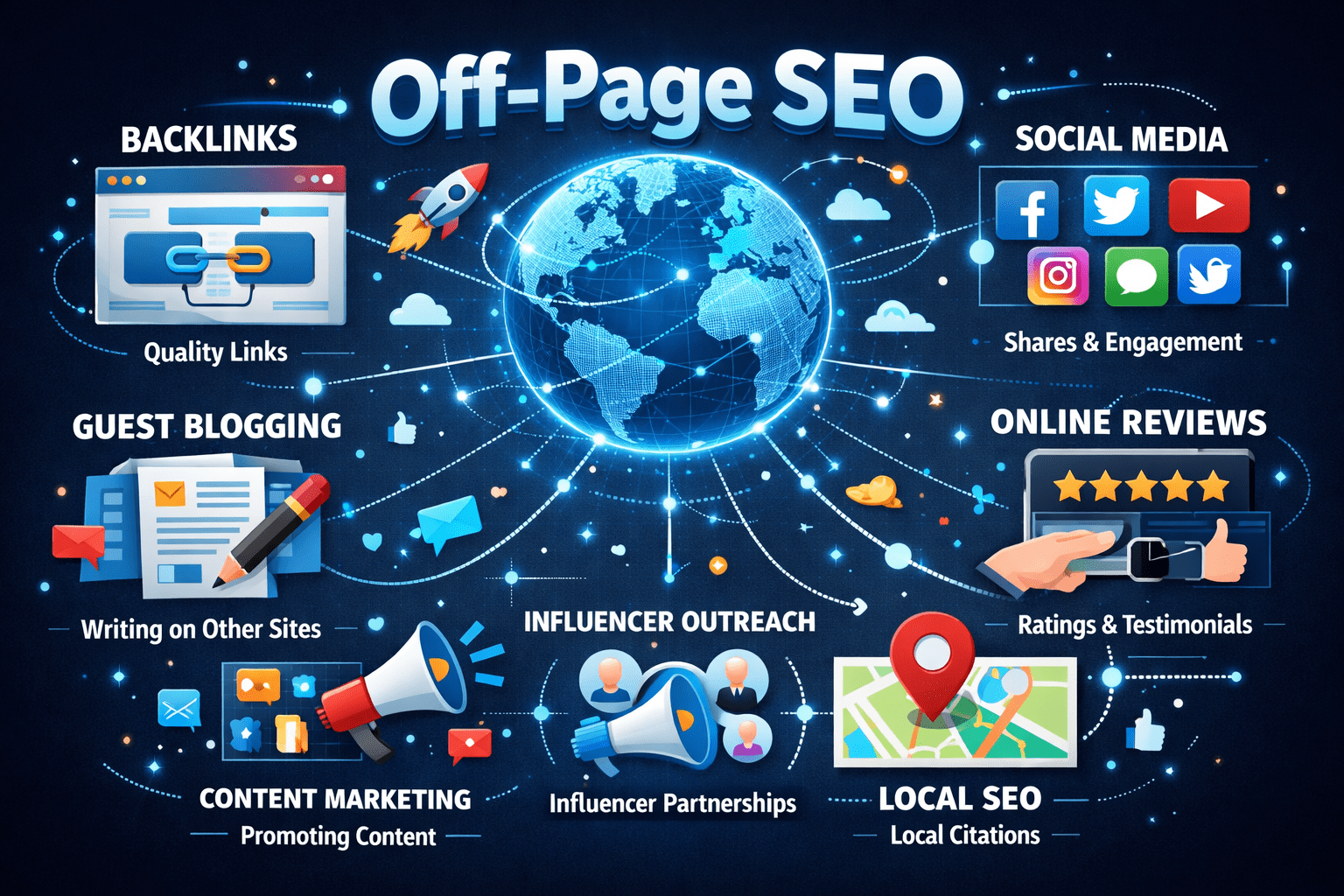
Off-page SEO, also called off-site SEO, as the name implies, is referred to as the activities or actions taken outside your website in order to improve its search engine rankings and visibility within the search engine results pages (SERP).
Off-page seo focuses on building a website's authority and reputation through external signals.
WHY IS OFF-PAGE SEO IMPORTANT?
Off page seo is a very crucial element of seo, when combined with On page seo and technical seo properly can:
- Increase your visibility and rankings in the search engine results pages (SERP)
- Drive more traffic to your website i.e it attracts more visitors to your website.
- Enhance brand reputation, which can lead to brand mention.
- Increase the website's authority.
- Establishes credibility.
- Increase conversions, sales and revenue
ON-PAGE VS OFF-PAGE SEO
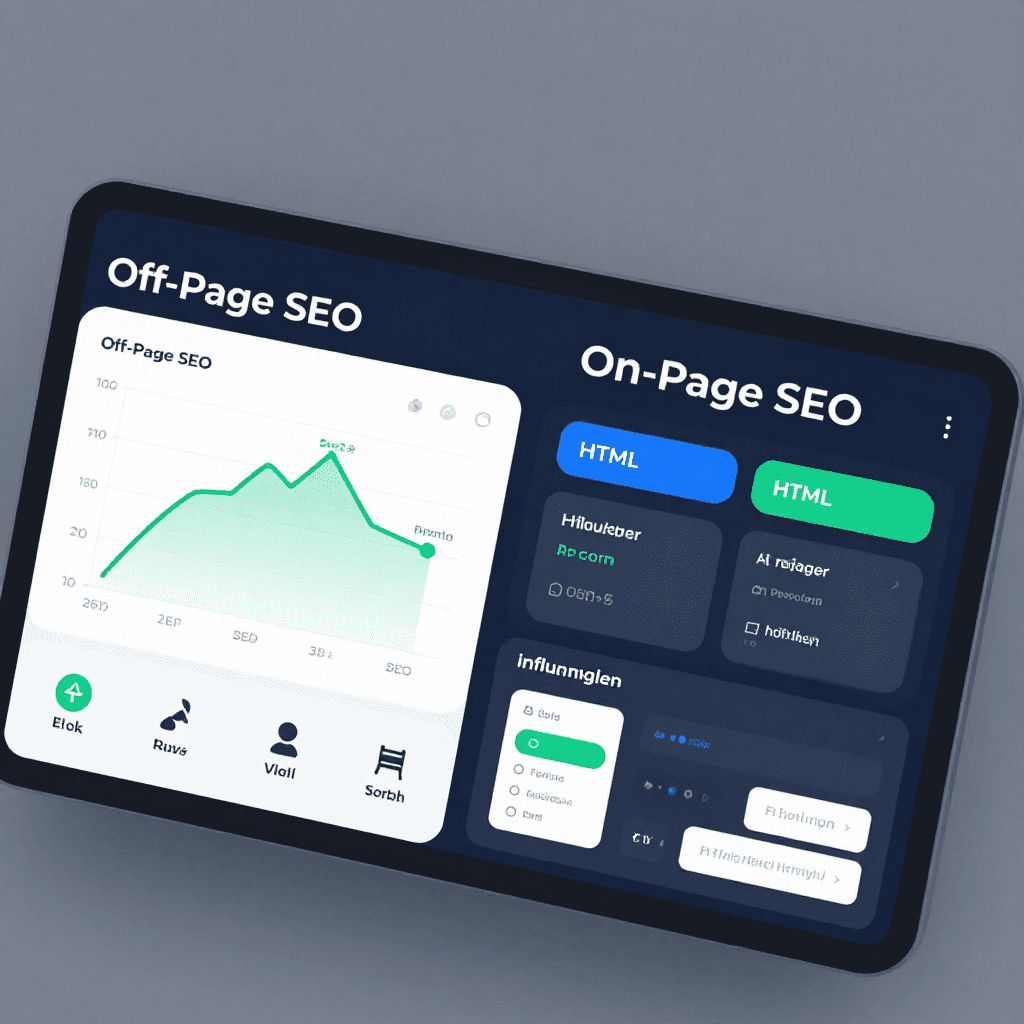
Both on-page and off page seo are very crucial elements of search engine optimisation; they work hand in hand with each other.
ON-PAGE SEO
- Aims at optimising elements within your website, such as the title tags, meta description, headings, URL,
- Focuses on optimising page contents, helping search engines understand the context and purpose of your website's content.
- Improving the site's structure and internal linking
- Enhancing user experience through page speed, mobile friendliness and readability.
- You have full control over on page seo elements
OFF-PAGE SEO
- Focuses on building your website's authority and reputation through external activities.
- Includes social media marketing, content marketing, and influencer marketing
- Involves acquiring high quality Backlinks from authoritative sites.
- Involves brand building and online reputation management
- You have less control over off page seo since it relies on external factors and third-party platforms.
While the on page seo focuses on optimising elements within your website, off page seo focuses on the activities outside your website that can boost its visibility and authority.
OFF-PAGE SEO TECHNIQUES
Now let's take a look at off page seo most tested and trusted strategies/ techniques that can boost visibility and rankings when implemented properly.
- Link building (Backlink)
- Social media marketing
- Content marketing
- Local SEO
- Broken link building
- Digital PR
- Influencer marketing
- Guest posting
- Brand building
- Forums
- Blog commenting
- Content syndication
- Repurposing content
- Reviews
1. Link building (Backlink)
Link building is the most crucial technique in off page seo. Backlinks build authority, trust and relevance for your website in the eyes of Search engines like Google.

What are BACKLINKS? These are links from other websites pointing to a page on your website; they are also known as inbound links or incoming links. Backlinks serve as a vote of confidence for your content.
It will interest you to know that the quality of Backlinks matters more than quantity, as a link from a high domain authority sites Carries more link juice (ranking power ) than a link from a low domain authority site.
When we talk about backlinks, we mean high-quality backlinks which can be acquired from authoritative, relevant and trustworthy websites to boost your site’s credibility is very vital.
Google's algorithm (like page rank and penguin) prioritize Authoritative, relevant and trustworthy links over low-quality and spammy links.
a. AUTHORITATIVE: High-quality backlinks come from authoritative sources that are trusted by search engines. A single DA 90+ link from a top site like Forbes can be more powerful than 100 random DA 10 links.
b. RELEVANCE: High-quality backlinks come from relevant sources that are related to your niche. Links from related niche sites matter more than random high DA Links. (10 links from DA 30-50 niche sites is greater than 1 link from a DA 90 unrelated site)
A Random High-DA Link (e.g., DA 90 but Irrelevant)
Example: A DA 90 fashion blog linking to your tech SaaS tool.
Impact: Minimal ranking boost, Google may even ignore it.
A Relevant Niche Link (e.g., DA 50 but Highly Related)
Example: A DA 50 cybersecurity blog linking to your VPN software.
Impact: Strong ranking boost, even if DA is lower.
FOCUS ON RELEVANCE, THEN AUTHORITY.
A link from a relevant site is more valuable than a link from a random high-DA site.
John Mueller of Google
Focus on earning, not buying links, to avoid penalties.
c. TRUSTWORTHY: High-quality backlinks come from trusted sources that are less likely to be spammy. A link from a trusted site is considered more valuable and carries more weight than a link from a high DA or from a relevant source.
A trustworthy backlink comes from reputable sources like .gov, .edu, and well-known industry leaders.
High-quality backlinks come from trusted sources that are less likely to be spammy. A link from a trusted site is considered more valuable and carries more weight than links from a high DA or from a relevant source.
Google evaluates trust using the E-E-A-T (Experience, Expertise, Authoritativeness, Trustworthiness)
One trustworthy link is greater than 50 spammy links with high DA.
Backlinks are one of the most important ranking factors in Google's algorithm.
Links continue to be a strong ranking factor... we do use them as part of our ranking algorithms
According to John Mueller of Google
2. Social Media Marketing

Social media marketing involves leveraging social media platforms (like Facebook, X, Instagram, TikTok, LinkedIn, etc.) to increase content reach, engage users and to promote a brand, product or service.
Social media does not directly influence ranking; however, it fuels traffic.
3. Content Marketing
Content marketing is a long-term digital marketing strategy focused on creating valuable and relevant content to attract, engage, and convert a specific audience. It does not involve directly advertising products or services. It's more like helping people with valid and legit information for free, and they begin to trust you with respect to time and become your customer.
Content marketing includes
- Blog posts
- Social media post
- Youtube Videos
- Podcast, etc.
In content marketing, you do not directly tell your customer to buy your product or services, e.g. "Buy my product at this price" Instead, you publish articles in your niche to educate your audience, solving their problems, which will in turn build their trust, increase your website's traffic and help you generate leads and sales naturally.
4. Local SEO
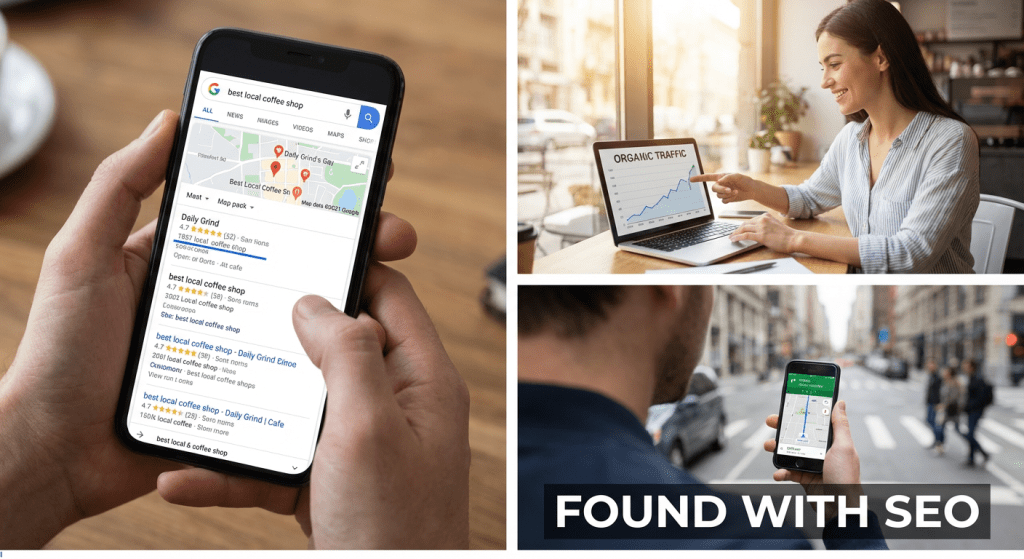
Local Search Engine Optimisation is an off-page seo technique that is focused on ranking you higher in your local area.
Local SEO is the practice of optimising your website for a specific local area so your business appears when people nearby search for products or services on search engines.
Example Searches:
- Best restaurant in Kaduna State
- Hotel near me
- Fashion designer in Jankasa
Local SEO helps your business show up in Nearby search results and Google map reviews.
Local SEO Strategy
- Create your Google business profile
- Add complete business information
- Actively ask customers for Google reviews and respond professionally to both positive and negative feedback.
5. Broken Link Building
Broken link building is an effective off-page SEO strategy where you identify broken or dead (404 error) links on high authority websites in your niche and suggest your content to the site owner as a replacement. This is usally a win win something, because you gain backlinks after the site owner replaces his dead link with your active link, while the site owner's broken link is fixed, which could affect his SEO negatively if not fixed.
Step-by-step process on how broken link building works.
- Find websites in your niche
- Identify dead or broken links on their pages
- Create or use similar content on your website
- Contact the website owner
- Suggest your link as a replacement
If they update the link, congratulations, because you've gained a quality backlink.
6. Digital PR
Digital PR, also known as Digital Public Relations, is an off-page SEO strategy that helps you to build and promote your brand or content's visibility and reputation through activities like gaining media coverage, high-quality backlinks, and positive mentions across digital channels like online news websites, blogs, influencers, online magazines, industry publications, etc.
How Digital PR Works
- Create newsworthy or valuable content
- Pitch it to journalists, bloggers or publishers
- They feature your story or data
- Your website gets mentioned and linked
Links obtained build credibility, which can increase organic ranking.
7. Influencer marketing
This is an off-page SEO technique where businesses collaborate with people who have a trusted audience online in order to promote their products, services, or brand across social networks such as Instagram, TikTok, or YouTube.
In this type of digital marketing, businesses don't advertise their product, services or brand directly; they use trusted creators whose followers have deemed them worthy and already believe their recommendations on any products.
How Influencer Marketing Works
- A brand finds an influencer in its niche
- They agree on promotion (post, video, review, shoutout)
- Influencer shares content with followers
- Audience engages, visits or buys.
8. Guest posting
Guest posting (also known as guest blogging) is an off-page SEO strategy where you write articles or blog posts and then publish it on someone else's blog or website.
This practice enables you to reach a new audience, build authority and get backlinks, which can improve your search engine ranking.
Guest posting is an important off-page strategy where you create content for other websites or blogs instead of your own, and in return, your name and brand are mentioned, and you also get a link back to your website (backlink). Readers visit your site through the link, and Google sees it as a trust signal.
Guest Posting Strategies
- Find a website in your niche
- Contact the website owner
- Pitch an article idea
- Write high-quality content
- Include your bio and website link
- Article get published
9. Brand Building
Brand building is simply the act of creating a strong identity and reputation for your business in order to give a good perception to the public, foster customer trust, and increase market value.
When brand building is successfully achieved, people can easily recognise your brand, remember it and choose it over your competitors.
People don't just buy products; they buy the feeling attached to the brand.
10. Forums
Instead of publishing a post on your site or blog, you assist people by answering their questions in online communities like forums.
Forum is an off-page SEO strategy or technique where you participate in online discussions by asking and answering relevant questions in order to build authority, drive traffic, and earn backlinks to your website.
Examples of forums are Reddit, Quora, etc.
Join any forum that is related to your niche, or join any forum and answer questions related to your niche, answer questions genuinely and include a link where appropriate.
11. Blog commenting
Blog commenting is an off-page SEO strategy where you make meaningful comments on other blogs in your niche in order to build visibility, relationships and backlinks. Usually, you include your name, brand, or website link. Although the links are nofollow links (Nofollow links are links without link juice, therefore they do not pass ranking power).
Blog commenting can help build relationships, create networking, and collaborations. It makes bloggers notice you, readers trust you and build authority in your niche.
12. Content Syndication
Content syndication is an off-page seo technique where you publish your existing content or blog post on other platforms to expand reach or in order to connect with a larger audience.
Your content reaches audiences that may never find your website through Google through content syndication. One thing you should not forget while practising content syndication is the use of the canonical tag to prevent duplicate content issues. A canonical tag is an HTML tag that is used in SEO to let search engines know the original or main webpage in order to avoid duplicate content.
example of content syndication platforms are:
- Medium
- Outbrain
- LinkeIn
- Taboola
13. Repurposing Content
Content repurposing is an off-page SEO technique that lets you recycle your existing content into new formats to extend reach and improve SEO performance.
Content repurposing is taking a particular piece of content ( a blog post, for instance) and turning it into a podcast, YouTube video, infographics, Instagram carousel, etc.
More instances:
- Blog posts to Infographics
- Webinars to YouTube videos or podcasts
- Blog posts to Social media snippets
- Podcast to Blog post
- Videos to Short clips or reels
14. Reviews
Reviews are an important, powerful off-page SEO component that increases authority, trust, and trustworthiness in the eyes of search engines and users. Local ranks and click-through rates are enhanced by positive third-party reviews (Google, Yelp), and real, consistent feedback serves as a strong ranking indication for reliability, setting your company apart from rivals.
Every new review adds user-generated content (UGC), which Google indexes and treat it as fresh content. Fresh content improves ranking.
Conclusion
Off-page SEO main goal is to show search engines that your site is trustworthy, relevant, and authoritative. This can be achieved through the techniques above.